How to Pack a Storage Unit the Right Way
Practical loading tips from a Falls County storage operator

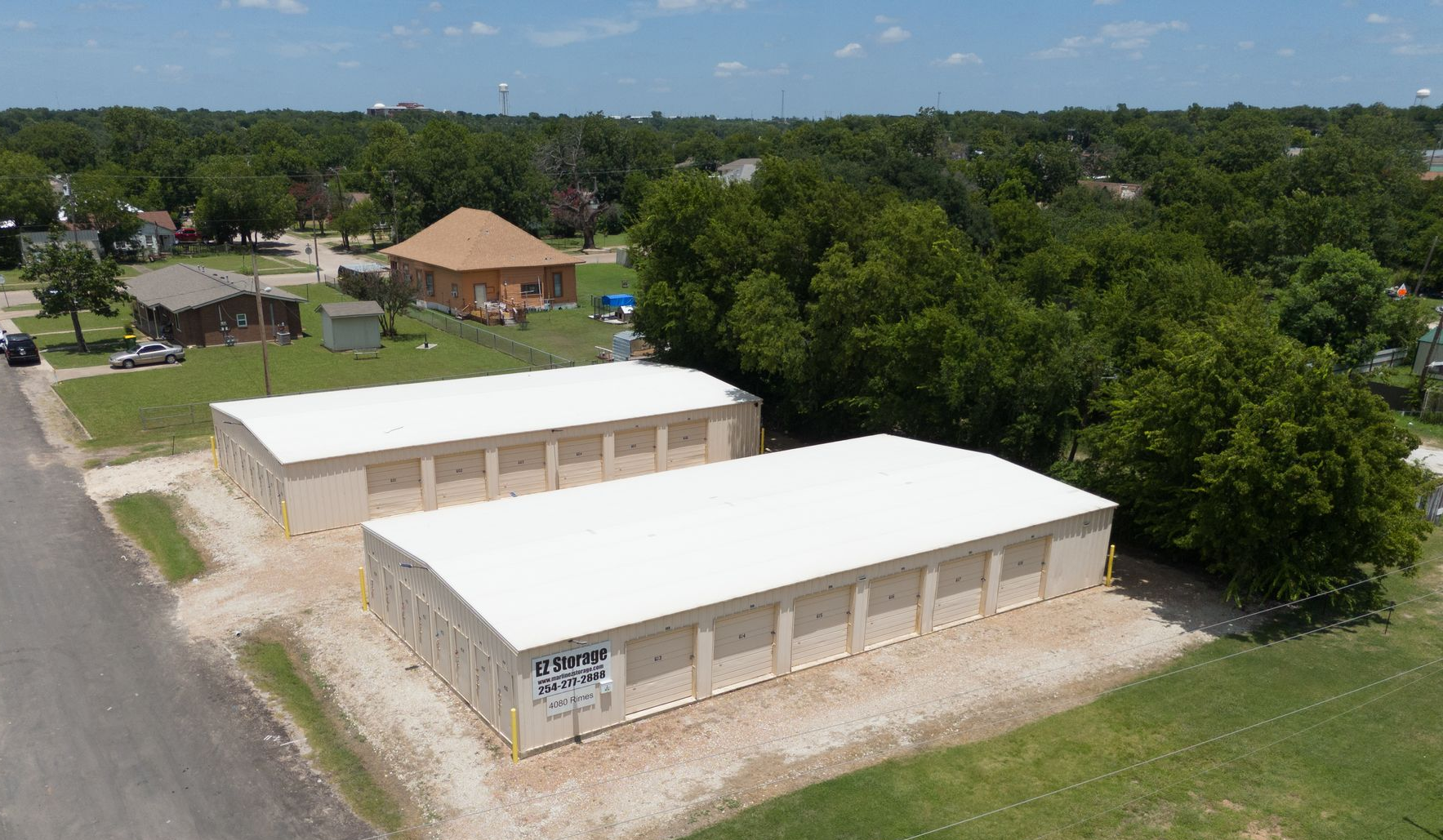
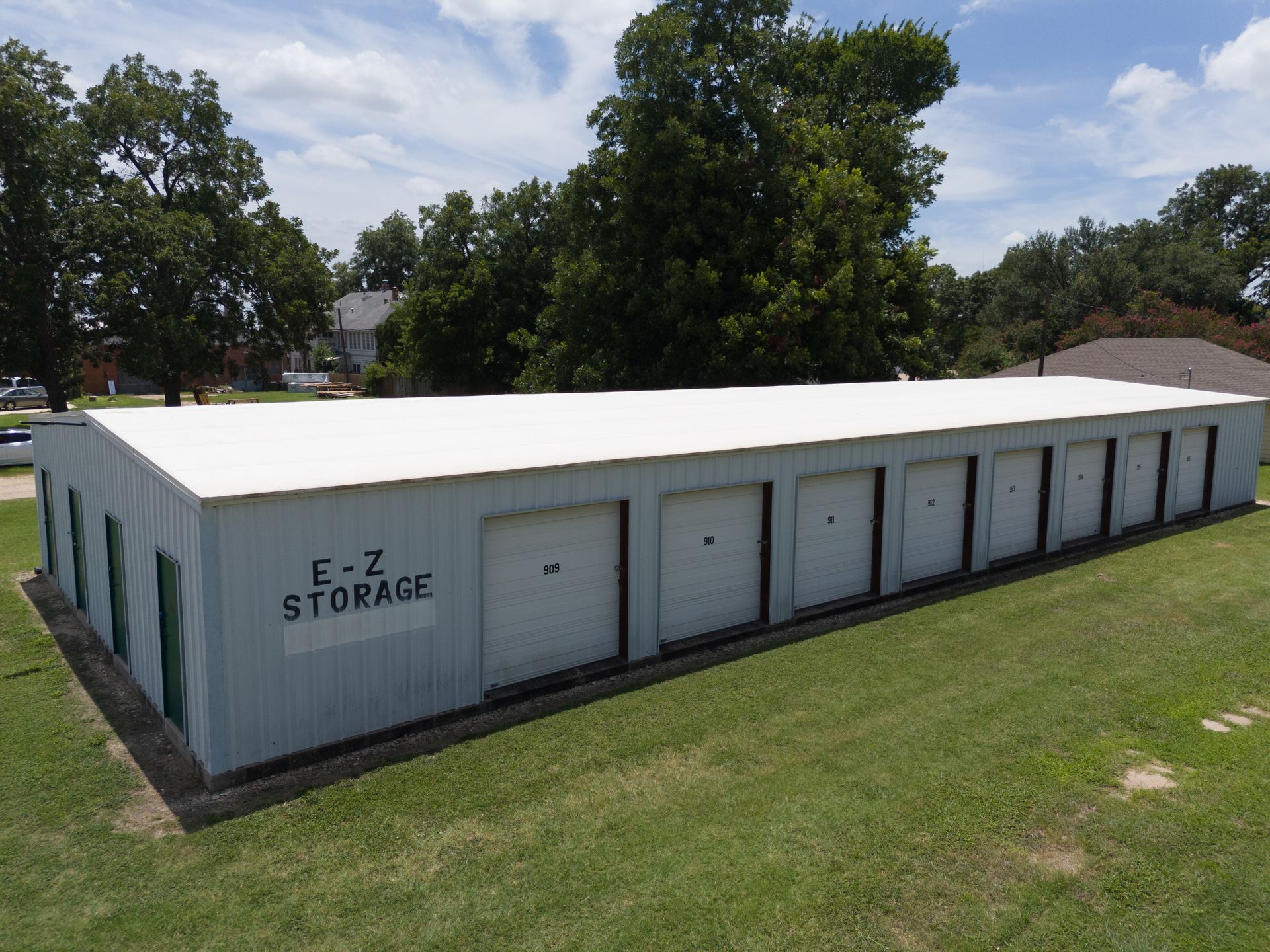
We watch a lot of units get loaded at our seven Marlin locations, and we can tell within the first five minutes whether someone's packed a storage unit before. It's not complicated once you know a few things — but getting it wrong means wasted space, damaged belongings, or both. Here's how we tell folks to do it.
Load Heavy and Tall First, in the Back
Start with your biggest, heaviest, and least-often-needed items at the back of the unit — furniture, appliances, boxes you won't touch for months. Stack toward the ceiling where it's safe to do so; you're paying for the whole box, not just the floor. Save the front third of the unit for anything you might need to grab again — seasonal items, tools, boxes you're still sorting through.
Leave yourself a narrow aisle if the unit's big enough for one. It's a lot easier to get to something in month four if you're not unstacking half the unit to reach it.
Keep Things off the Concrete — Pallets or Wood Make a Difference
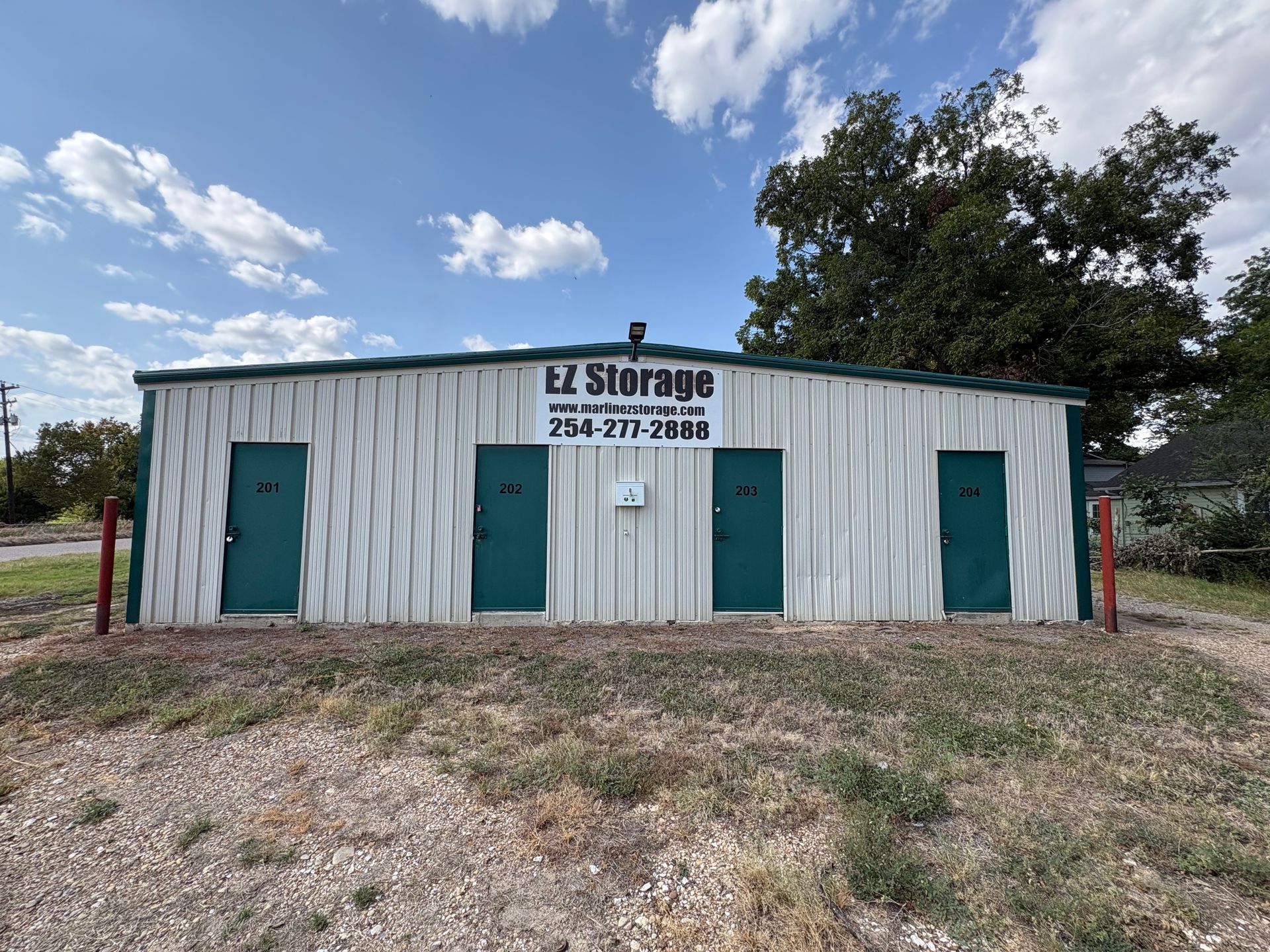
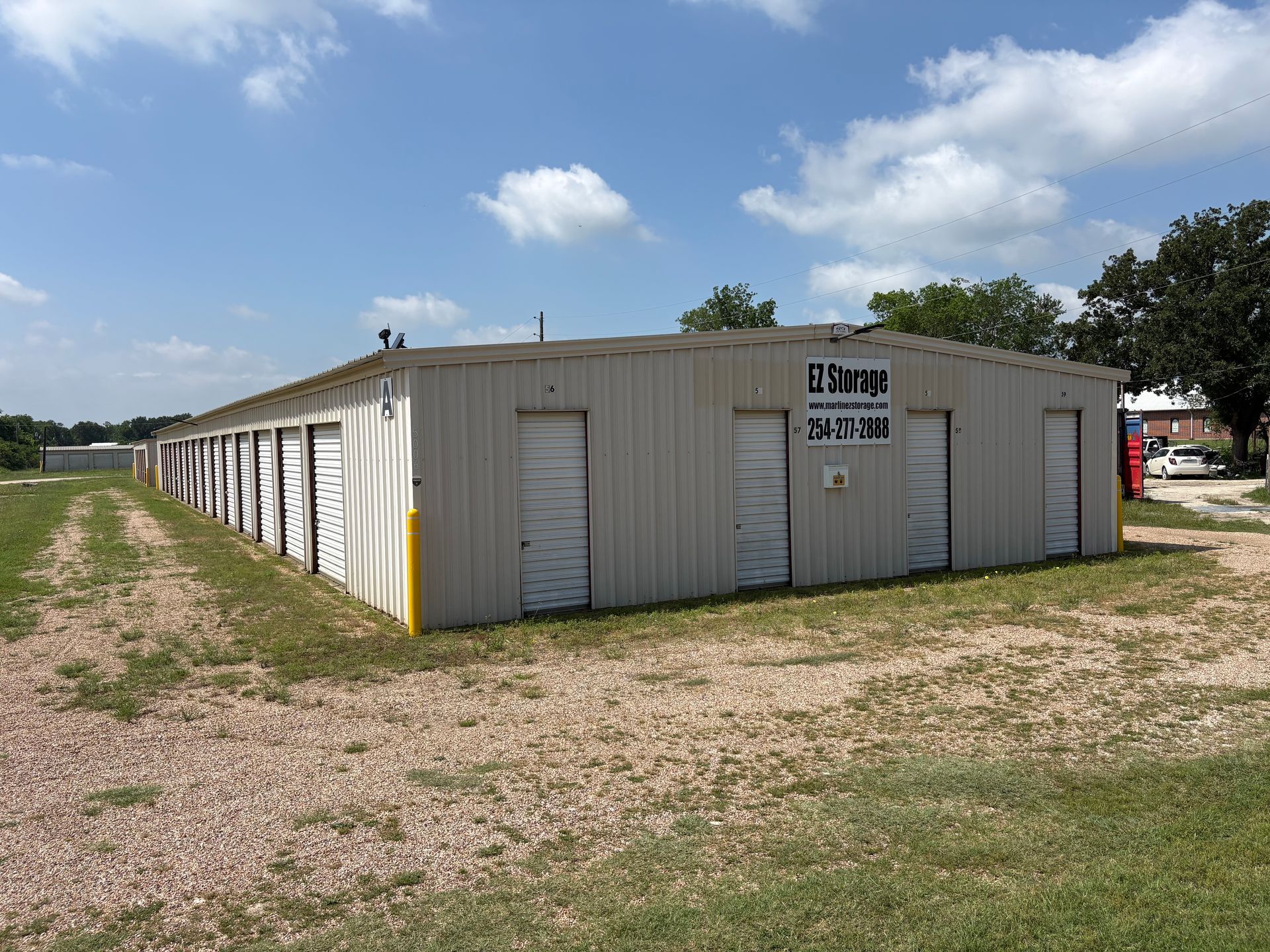
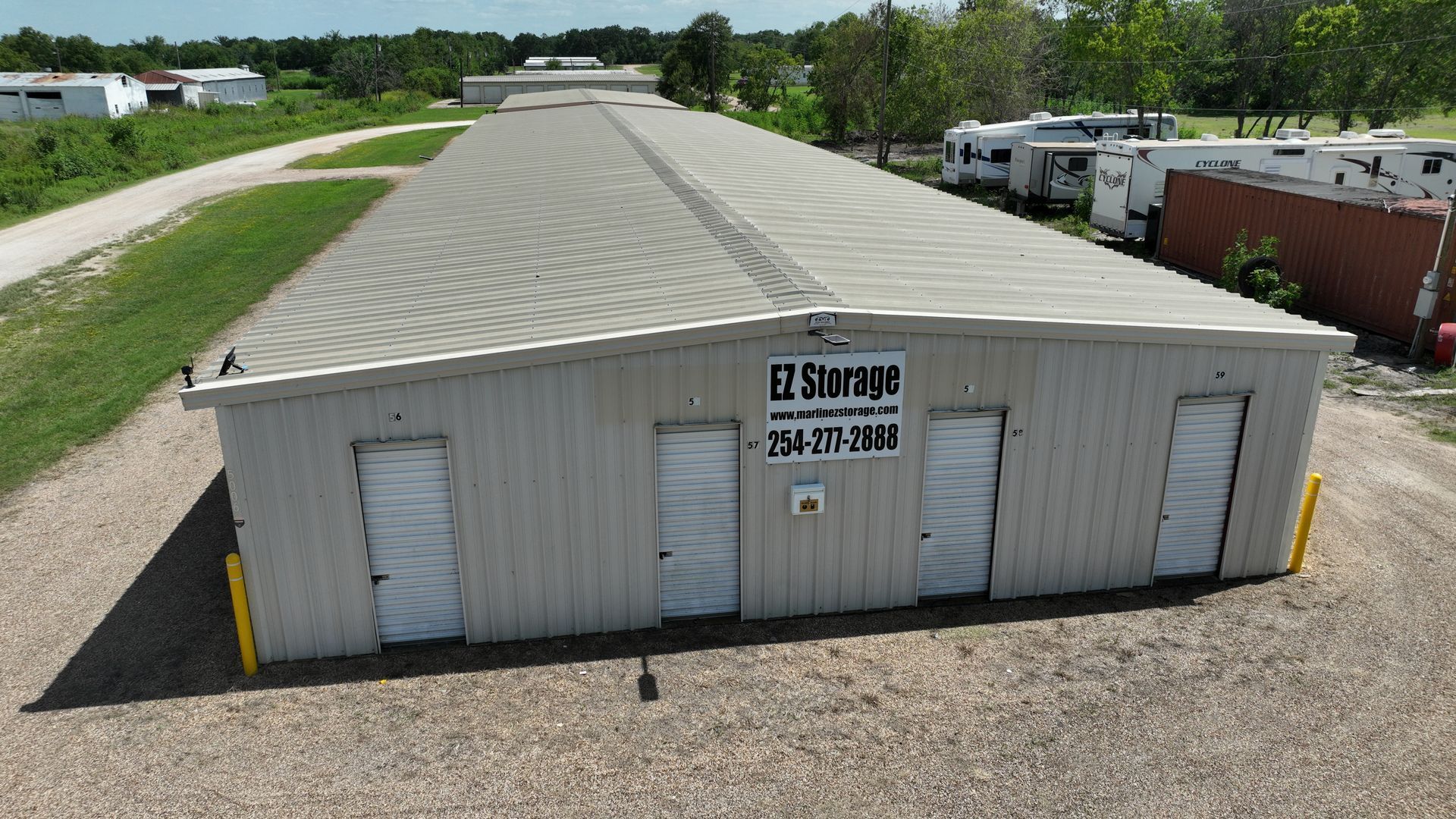
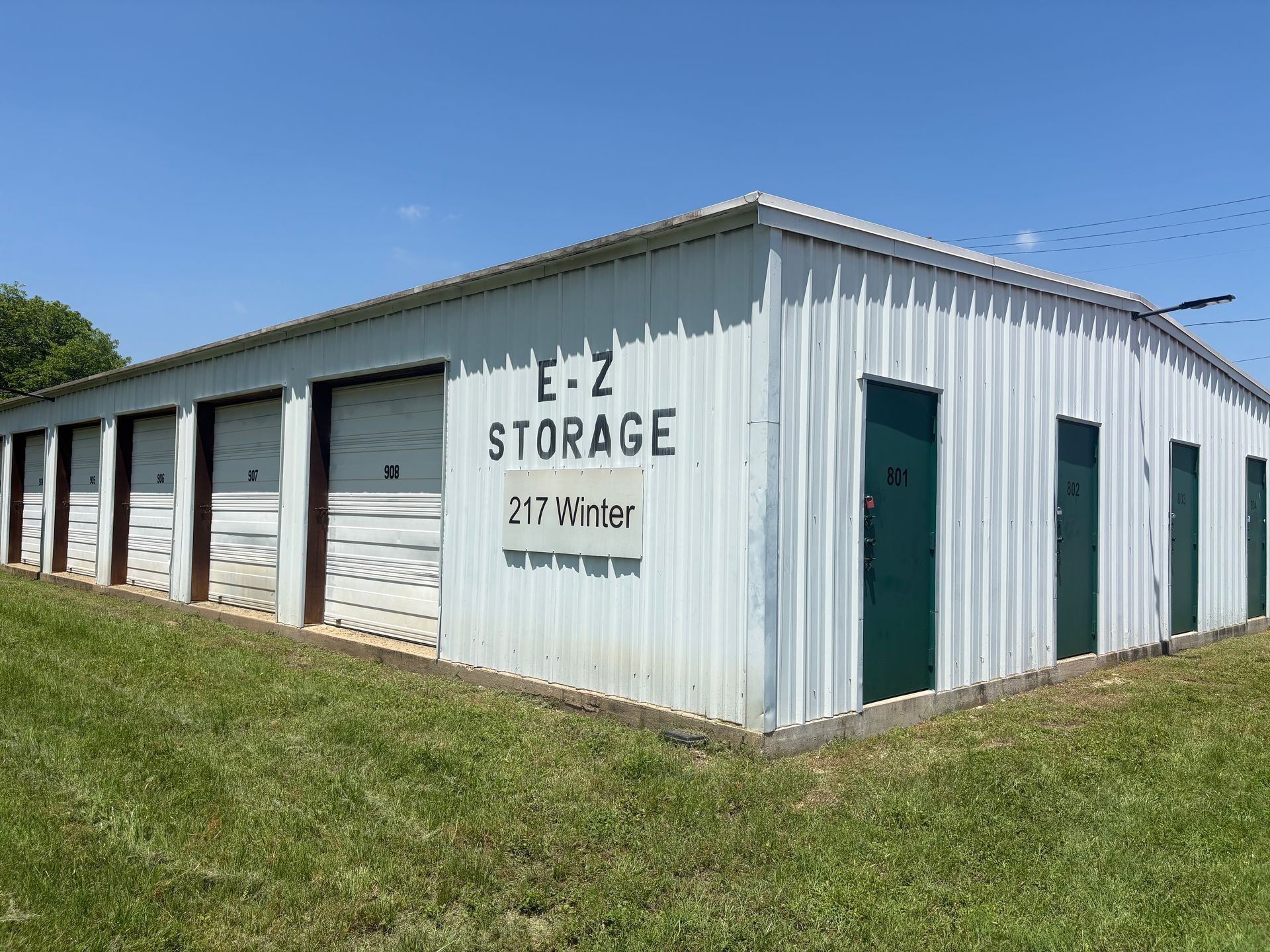
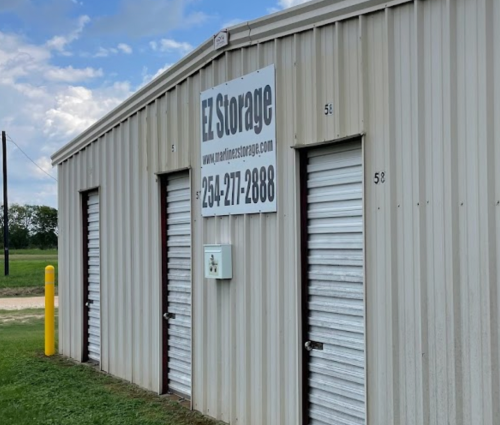
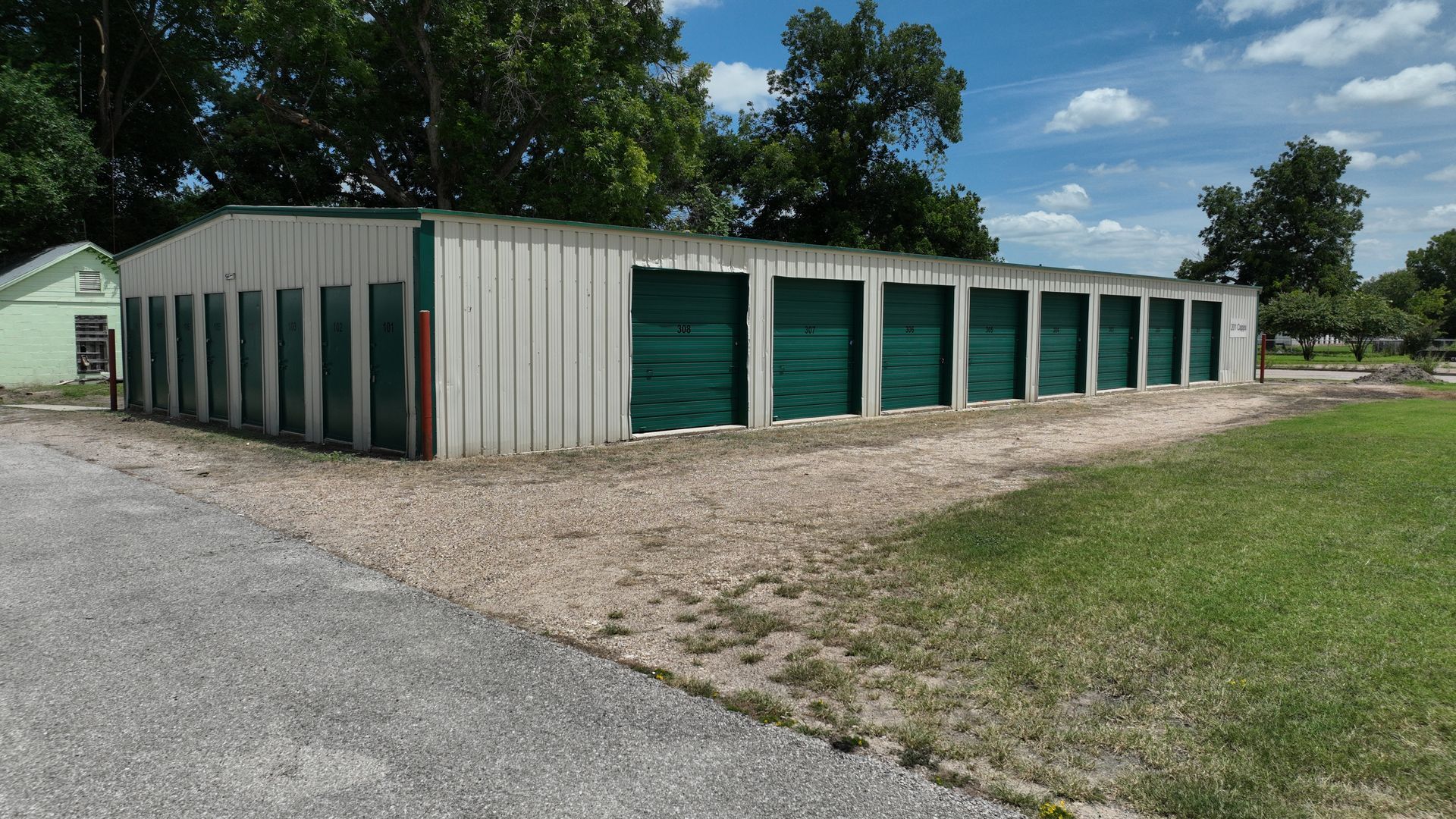
Every Marlin EZ Storage unit is drive-up, which is great for loading but means the floor is concrete, and concrete holds moisture. Texas humidity doesn't stop at the door. A few wood pallets or plastic risers under your boxes and furniture legs create an air gap between your belongings and the floor, which cuts down on moisture wicking up into cardboard, wood, and fabric.
This matters most for:
- Cardboard boxes (they wick moisture from the ground fast)
- Wood furniture (legs and bottoms are the first place moisture damage shows up)
- Upholstered furniture and mattresses
- Anything you're storing for more than a few months
If you don't have pallets, even scrap 2x4s or an old wood shelf laid flat will do the job. It's a small step that saves a lot of grief.
Match the Container to What's Inside
Not everything belongs in a cardboard box, and not everything needs a plastic bin either. Here's how we'd sort it:
Plastic bins with sealed lids — photos, important documents, electronics, clothing, linens, anything you don't want to find water-damaged or bug-chewed. Worth the extra cost for anything irreplaceable or moisture-sensitive.
Cardboard boxes — books, kitchenware, non-fragile household goods, anything you're fine replacing if it gets a little rough. Fine for shorter-term storage; not our first choice for a unit you won't open for a year or more.
Wardrobe boxes — clothing you want to keep on hangers instead of folded and wrinkled. Worth it if you're storing a full closet.
Original manufacturer boxes — TVs, electronics, anything fragile that still has its factory packaging. Nothing protects better than the box it was designed for.
Furniture blankets and moving pads — wrap tables, dressers, and anything with a finish you care about. Cheap insurance against scratches from shifting during storage.
Mattress bags — always, if you're storing a mattress. Keeps dust, moisture, and pests off it, and keeps it clean enough to actually want to sleep on again.
A Few More Tips and Tricks
- Disassemble what you can. Bed frames, table legs, shelving — it packs tighter apart than together, and it's easier on your back loading it.
- Don't leave gaps. Loose space inside a stack means things shift in transit and settle unevenly over time. Fill gaps with soft items like towels or blankets.
- Label boxes on the side, not just the top — you'll be reading labels through a stack, not from above.
- Leave a little breathing room near the door if you can. Airflow helps, especially in a Texas summer.
Units Available Now — Drive-Up Access at All Seven Marlin Locations
At Marlin EZ Storage, every unit is drive-up — pull right up to the door and load without hauling things down a hallway. We've got 5×10, 10×10, and 10×20 units available now, all month-to-month with no long-term commitment. First month is just $1 through the end of the year.
Not sure what size fits what you're loading? Call or text us directly at (254) 277-2888 — you'll reach Greg personally. We're happy to help you figure it out before you start packing, not just after.